Gambling in South Korea · sports betting · online gaming: news · laws · investigations · platform reviews · market trends
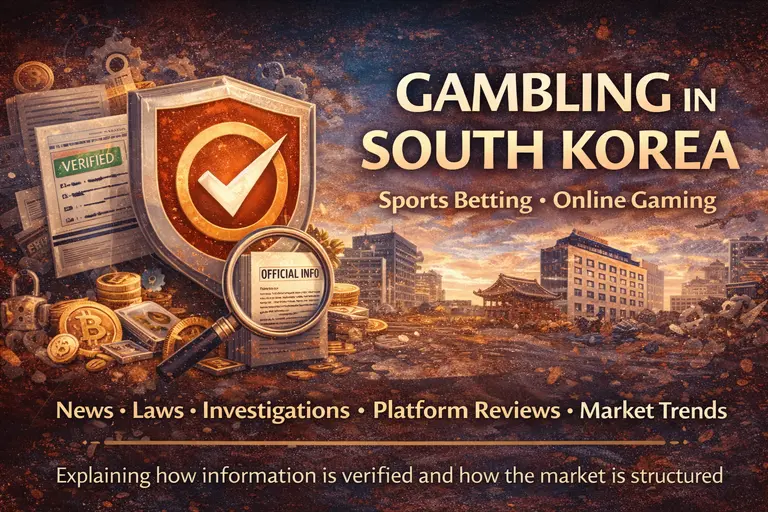
The gambling market in South Korea may look tightly restricted from the outside, but in practice it’s a fast-moving space: online demand is growing, and the legal, technological, and payments environment is constantly shifting—and shaping one another. Confusion is especially common around services with signs of an online casino, offshore products, and sports betting platforms: because of regulation, access blocks, and payment restrictions, “official” and “unofficial” information often gets mixed together, while exaggerations and planted narratives get repeated again and again. This portal helps you not only assess individual facts, but understand the logic: “what happened and why”—so you can see the bigger picture.
Blocks, tighter identification requirements, and changes in payment policies immediately affect both user access and operator risk. That’s why any developments around sports betting platforms should be viewed not as isolated episodes, but as part of a connected chain: the regulatory framework and how it is enforced in practice, the operating model, and shifts in user behavior. Only with that lens can you separate “rumors” from устойчивые structural trends in South Korea’s gambling market.
This portal focuses not on promotional messaging or fragmented headlines, but on serving as an information hub that helps interpret how the industry works as a whole. The main goal is to give readers the ability to not follow someone else’s agenda, but to compare different viewpoints and draw their own conclusions.
Home / Today
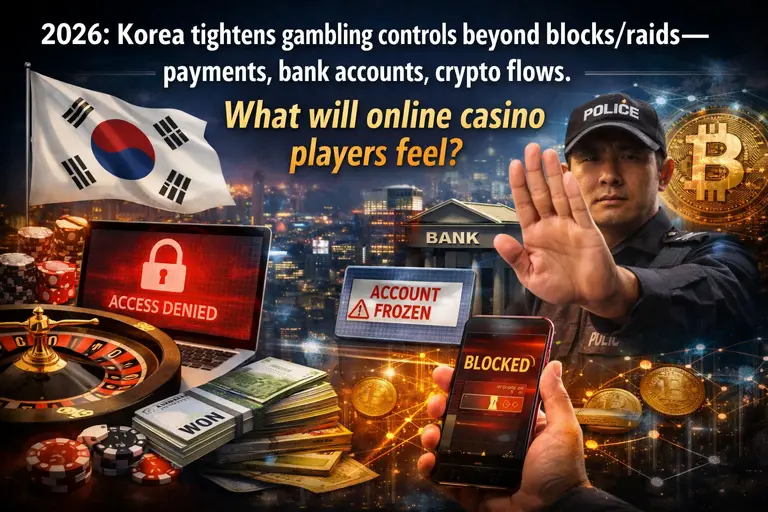
South Korea Gambling Regulation Forecast for 2026
In 2026, Korea’s gambling agenda is less about “loosening rules” or “legalizing online casinos” and more about tighter oversight. Website blocking may become more targeted, and raids and inspections may become more regular. And if enforcement moves deeper into money flows (payments, accounts, crypto assets), the market will feel the shift not just at the “access” level, but at the “money” level—where the entire operating model can break down.
👉 Read more

How South Korea’s gambling market really works
In Korea, gambling is usually discussed loudly: news reports and official releases constantly talk about “stepping up inspections,” “mass arrests,” and “eradicating illegal operations.” From the outside, it can look like regulation is strict and there’s almost no room to maneuver. But if you focus less on press statements and more on everyday urban reality, you quickly get the sense that the public narrative doesn’t always match how the system actually works.
👉 Read more
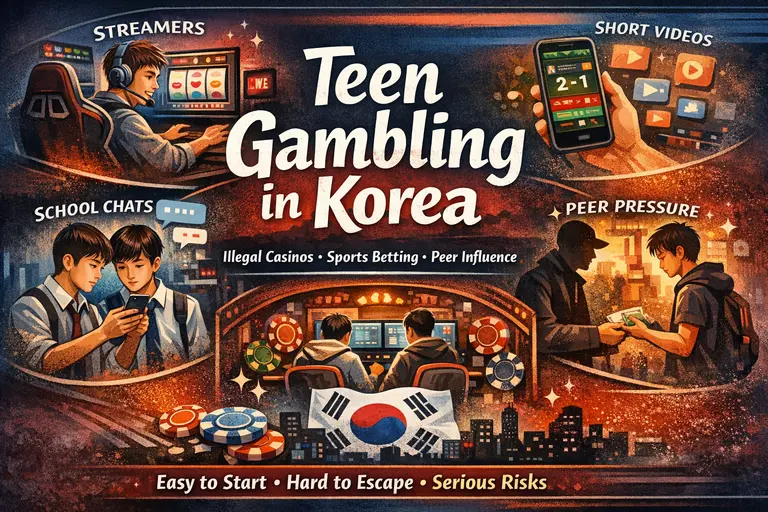
Teen gambling addiction: the trap of illegal casinos and streamers
Teen gambling addiction often arrives through a phone disguised as “content” and “entertainment.” Illegal online casinos and sports betting turn curiosity into “just once,” and that “once” into a loop of trying to win it back. Streamers and short-form videos accelerate how this scheme spreads and make the path into gambling noticeably faster.
👉 Read more
Trending
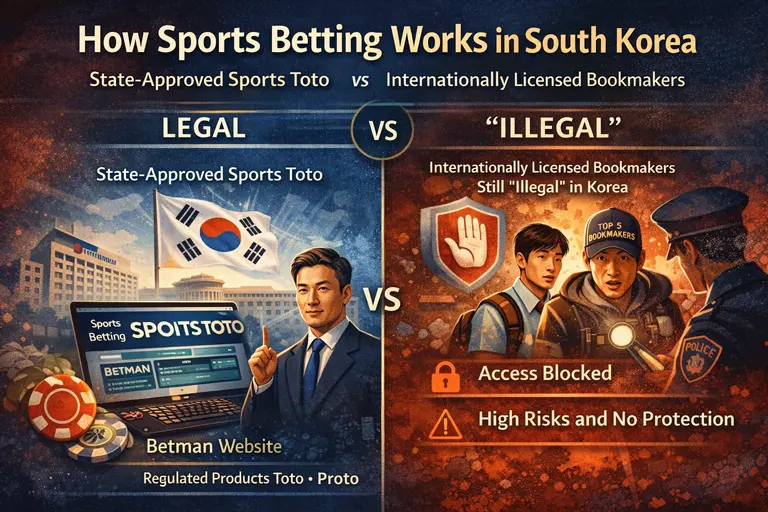
Illegal bookmakers in South Korea: sports betting outside the state-approved system
“Illegal bookmakers” in South Korea are not a single type of platform. We break down how the legal Sports Toto/Betman model works, why an “international license” does not make a service legal in Korea, and where the real user risks begin.
👉 Read more

1WIN in South Korea: full platform review — casino, sports betting, poker
A full review of the licensed 1WIN gaming platform for users in South Korea: casino, sports/esports and poker, bonuses and promos, deposits and withdrawals (KR bank transfer, KakaoPay, Toss, cards, crypto), pros/cons, reviews, and FAQ.
👉 Read more
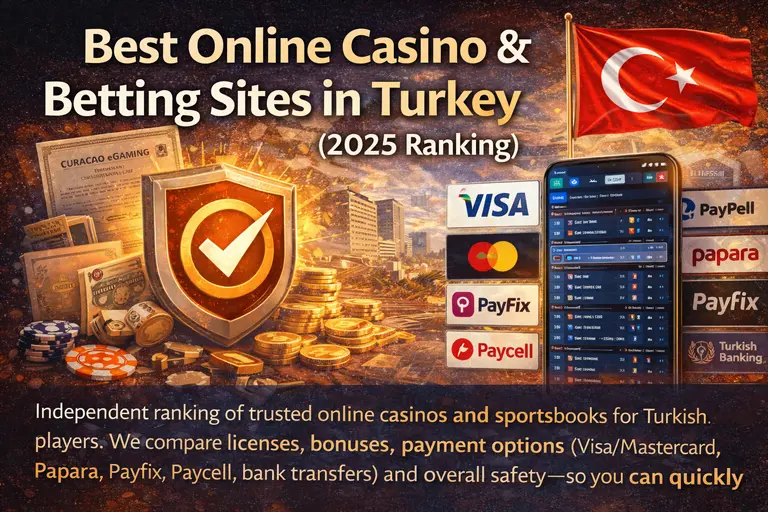
Best Online Casinos in Turkey + Sports Betting Sites (2025)
Discover top-rated casino and sports betting platforms available to players in Turkey. Reviews cover licensing, security, withdrawals, payment methods, bonuses, and user experience—plus key tips for safer play.
👉 Read more
About the project
This project focuses on several things at once: the background of institutional change, how policy is applied in practice, key points of disputes and conflicts, and the operating models behind platforms. Our goal is to explain complex topics using precise, “clean” language. First and foremost, we systematically assemble the core elements needed to understand South Korea’s gambling market (regulatory trends, the payments environment, risk factors) so that after reading, you’re left with context—not just a list of facts. We also break down recurring questions around services that resemble online casinos: terms, limits, and verification.
The content is designed not only for a general audience, but also for market participants, researchers, and adjacent businesses. We look at practical points—legal risks, customer policies, the reality of payment infrastructure—not as a “quick summary,” but by connecting them to why these outcomes happen.
How we work
In this industry, public opinion easily swings to extremes. It’s common for the same service to move from “trusted” to “use with caution” in a short time, while community sentiment shifts because of traffic, advertising, and conflicts of interest. In the online casino and sports betting platform segments especially, one or two stories can balloon into a “verdict” on an entire project.
We avoid categorical conclusions and explain through causes, background, and context. For example, if a “withdrawal delay” occurs, we separate: a normal processing delay, the impact of internal policies (risk management / verification procedures), or the result of changes in the external payments environment. The goal is not to provoke an emotional reaction, but to help readers assess situations rationally.
Why we run this project
The gambling and online gaming industry changes quickly—despite restrictions and stigma. Especially as remote formats expanded, questions linked to offshore services and the risks around them have surfaced more often.
At the same time, information often drifts either into advertising—or, on the other side, gets stuck in excessive alarmism. We try to stay in the middle: remove the layer of exaggeration and fear and provide a structured explanation. Our focus is not “good/bad,” but which model and why certain events occur, and who they may affect and how.
Principles for verifying information
For us, reliability and reproducibility matter most. Anonymous reviews and viral claims can be considered as background, but they are not the foundation for conclusions. In South Korea’s gambling market, isolated noise is often “packaged” as an industry-wide problem, so it’s important to look at the source, the evidence, and whether the pattern repeats.
- Priority on primary sources: we start with verifiable documents—official terms, usage rules, support policies, bonus/withdrawal criteria, and other texts available in the original.
- Checking repeatability: we compare whether it’s a one-off situation or a recurring trend, and whether it’s linked to changes in policy/rules.
- Separating causes: we distinguish external factors (blocks, changes in the payments environment, tighter rules) from internal ones (operational policies, risk management, support performance) and describe them separately.
What we cover
The portal is built not as a simple list of posts, but so readers can see the connections and understand the structure for themselves.
- Industry news: rule and practice changes, notable events, company moves—what shapes the market’s overall flow.
- Laws and regulation: regulatory policy, statements from oversight bodies, and key takeaways from court practice and decisions.
- Cases and disputes: situations involving withdrawals, bonuses, restrictions, etc.—explained by mechanics, not emotion.
- Platform reviews: we check terms, verification, limitations, and risk points against criteria (and we separately unpack common conditions, exceptions, and limitations typical for sports betting platforms).
- Market trends: acquisition channels, shifts in marketing, and dynamics of user behavior.
- Promo breakdowns: we analyze terms (wager/rollover, restrictive clauses, exclusions) and assess risk.
The end goal is not a “rating,” but for readers to walk away with criteria and a structured understanding they can use to make their own decisions.
Disclaimer and editorial policy
This website is an informational platform about the gambling, sports betting, and online gaming industry in South Korea. We do not provide betting services, do not accept deposits, do not process payments or transfers, and we are not a casino/sportsbook/payment provider or intermediary.
All materials are for reference only and do not replace legal or financial advice. If you need a specific decision, we recommend contacting relevant organizations or qualified specialists.
We analyze industry structure and risks, but we do not promise income and do not recommend—directly or indirectly—using any platforms. For disputed topics, we separate facts from opinions and rely on publicly verifiable grounds (terms, official statements, recurring cases, etc.).
We also do not publish step-by-step instructions for bypassing internet blocks, restrictions, or security systems. Our task is not to lead readers into a “gray zone,” but to clearly explain how the market works and what the user risks are. Some cases may involve online casinos, but only for analysis and informational purposes.
Finally, gambling can be addictive. If behavior shifts from “entertainment” to attempts to “win it back,” that may be a warning sign. Set personal limits and follow the age requirement: 18+ (or the age required by law where you live).
What do we mean by “project” / “scam”?
On this website, “project” does not mean an IT/crypto project. It means an online service as an operating entity—a casino, sportsbook (bookmaker), betting site, etc. In some cases, we may include affiliate/recommendation structures (referral programs, review networks) if they are important for understanding the model.
“Scam” is not used as a label for unconditional accusation. We use it to describe high-risk recurring patterns observed in the industry. Examples include: retroactive changes to terms, opaque withdrawal limitations, lack of support, excessive verification demands, frequent rebranding, and so on. Where possible, we show the basis (terms/announcements/recurring cases/cross-checking), and we mark unconfirmed claims as “needs verification.”
FAQ (common questions)
What is this project about?
It covers news, changes in laws and regulation, cases and disputes, platform reviews, user trends, and promo terms. We explain not only “what happened,” but also “why it matters” and “which processes it connects to.”
Are you a casino, bookmaker, or payment service?
No. We do not operate platforms and we do not handle user funds or process payments and transfers. This is a media portal with information and analysis.
What sources do you use for analysis?
We prioritize public documents: terms of use, bonus and withdrawal rules, verification requirements, payment methods, and similar materials. We also consider official company announcements, press releases, and publications/statements from oversight authorities. Cases are reviewed by dates and chronology, based on verifiable materials, while following personal data protection principles.
Do you explain how to bypass blocks and restrictions?
No. We do not provide step-by-step instructions for VPN/DNS, payment “workarounds,” or other evasion methods. The focus is on how the market works and on explaining risks.
How do you distinguish a one-off incident from a structural trend?
By repeatability and cross-checking. If the same context appears across different sources, the likelihood of a trend is higher. If it’s a single case or the evidence is weak, we postpone conclusions until further verification.
Is all your information always up to date?
We try to update important materials, but because changes happen fast, we can’t guarantee perfect accuracy at all times and in every detail. If you notice an error or an outdated fragment, let us know. We’ll review it and either correct it or mark it as “needs verification.”
Can I suggest a topic or submit a case?
Yes. If you include the time of the event, the platform, what happened, and supporting materials (screenshots, an official reply, etc.), it helps us verify more accurately. We can’t promise to publish every submission, but we do review reasonable and verifiable reports.
Contacts and feedback
Messages about errors, fact-check requests, and topic suggestions are welcome. The more specific details you provide (links, dates, quotes, screenshots), the faster and more accurately we can update the material.
What looks like a fact today can change tomorrow because new data appears. That’s why we treat feedback as part of the process: we correct factual errors, refine wording, and for claims with weak evidence we strengthen labels and context.